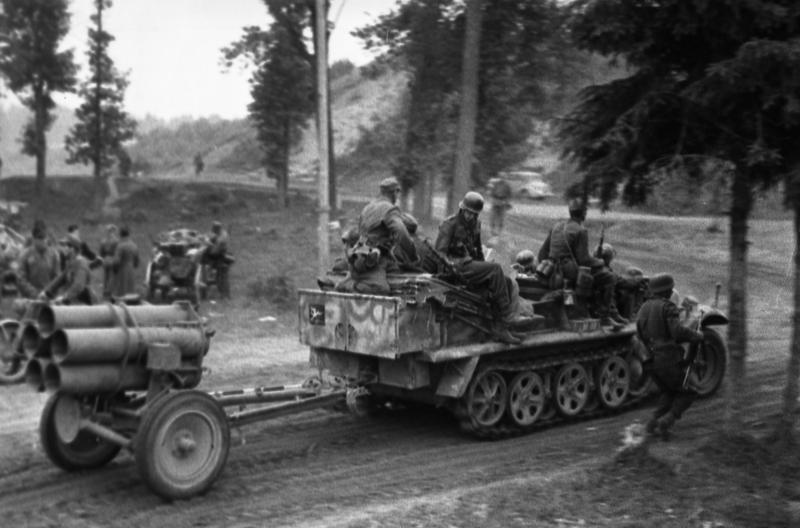
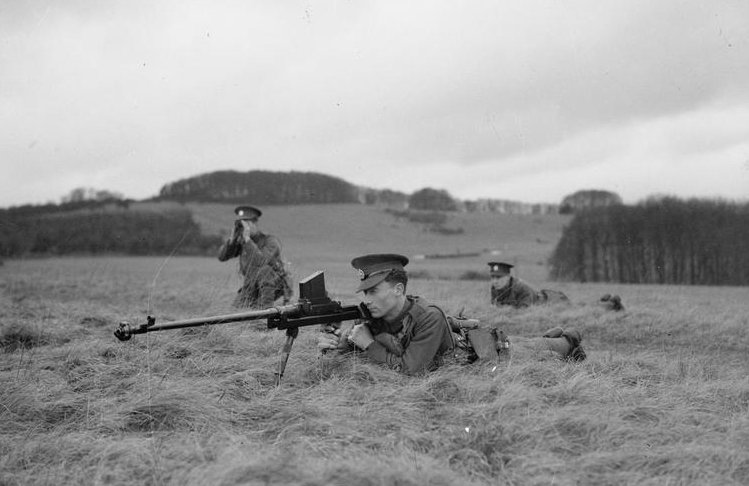
World War II Small Arms Quiz 1. The British PIAT anti-tank weapon operated using which principle? Spring-loaded spigot mortar Rocket propulsion Recoilless venting Gas-operated piston 2. Soviet infantry platoons during World War II were typically organized around what primary weapon? Mosin-Nagant rifles PPSh-41 submachine guns DP-28 light machine gun PTRD-41 anti-tank rifles 3. Which unusual German weapon used hydrogen peroxide (T-Stoff) as a key propellant component? Goliath tracked mine V-1 flying bomb V-2 rocket Panzerfaust 4. In late-war Soviet infantry tactics, submachine guns like the PPSh-41 were concentrated in what type of units? Artillery crews Shock or assault troops for urban combat Reconnaissance detachments Tank regiments 5. In jungle warfare, Japanese infantry relied heavily on what weapon combination during close assaults? Rifle grenades and flamethrowers Mortars and machine guns SMGs and pistols Bayonets and hand grenades 6. Which weapon was an early example of a “thermobaric-like” effect during WWII? Japanese Type 99 LMG German Nebelwerfer rockets British Boys ATR American Bazooka 7. The German V-1 was powered by what engine type? Rocket engine Radial piston engine Turbojet Pulsejet 8. The German Nebelwerfer series of rocket launchers differed from conventional artillery because: They used rifled barrels for higher accuracy They were capable of underwater firing They launched fin-stabilized spin rockets, causing significant noise and smoke trails They were recoilless 9. Early World War II man-portable anti-tank weapons like the Boys Rifle and Panzerbüchse 39 quickly became obsolete because: They were too expensive to produce Their accuracy was poor beyond 50 meters Their armor penetration was insufficient against improved tank armor They required special ammunition that was unavailable 10. The U.S. “Norden bombsight,” while not a weapon itself, enabled what crucial capability? Precision naval gunfire High-altitude precision bombing Early heat detection of aircraft Radar-guided artillery fire You’ve reached the end of the quiz! Submit Quiz ❮ ❯